- This specific finding is minor, but its implications are not IMHO. From the article it appears the researchers consider this a discovery in effect.
If consumer hardware is already capable (in many settings) of reproducing what were formerly research-level and industry-grade techniques, it may be a transformation in more areas of technology than would be obvious. I am very curious to see if there will be further findings in this area.
- This is a very natural progression of technologies that escape industry/defense to get into the consumer's hand.
- The military/LEO is probably already envisioning a Daredevil like helmet with augmented-reality lenses that overlay non-line-of-sight threats in real time.
- Didn't we already have a video of that? I don't remember the data sources used to generate the overlay, however. Was it multiple solders' helmets sharing their data, and/or perhaps even a drone from above?
- Smartphone grade lidar == FaceID ?
- depends on what phone you have but LIDAR sensors are used for more than just faceID
- So this only works if you have walls opposite of this corner?
- It seems to require a lidar reflective object. Likely more generally, the effectiveness lowers the less objects there are to bounce and return signal.
It could probably work with less accuracy/resolution against visible vehicles in the opposite lane, a hedgerow, postal box, pedestrian carrying a visible laptop and possibly synthesize all of these to improve its guess.
- The video thumbnail implies bouncing off the ground, not a wall. Not sure how the geometry works out for that
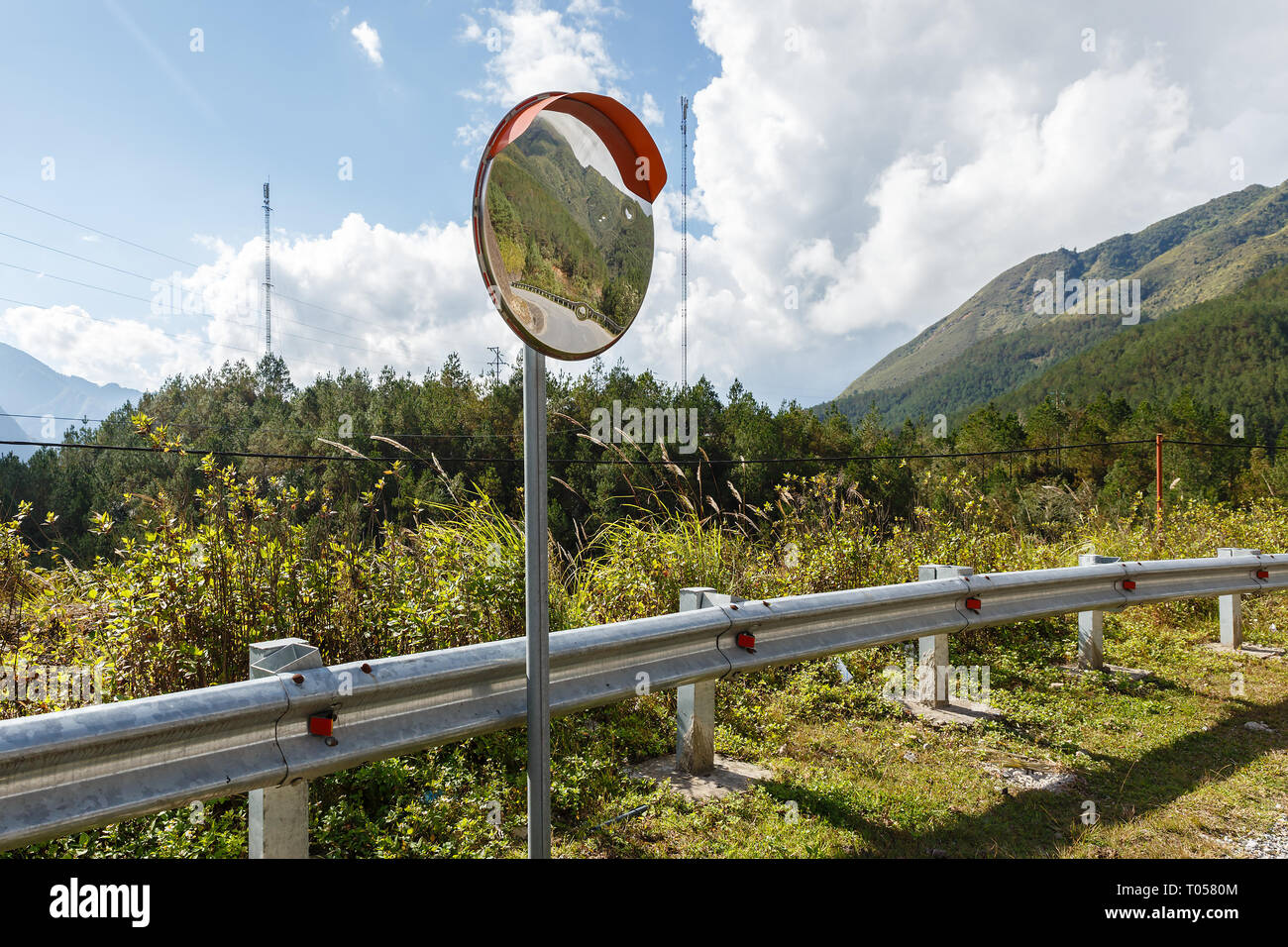
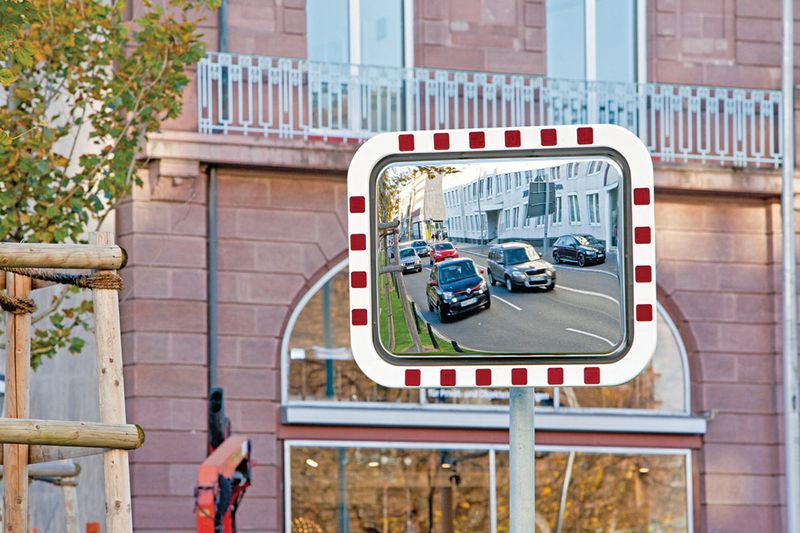
- Why not just place a mirror at 45 degrees in the corner? That way you don't need the lidar but you can just look around the corner? It would also work better with the lidar.
- I would be interested in seeing your visual mockups of how such a solution works on one of the article’s examples, like a car.
- Like this: https://c8.alamy.com/compde/t0580m/der-verkehr-kurve-spiegel...
Or this: https://cdn-01-artemis.media-brady.com/Assets/ImageRoot/DMEU...
Reasonably common in difficult corners in Germany and Austria. Probably elsewhere too.
The downside is that it's road infrastructure that has to be installed. The upside is that it works for everyone, including people in 20 year old cars or on bicycles.
- Every car just needs n number of mirrors on articulating joints and to sense any oncoming cars that need to see around a corner and then receive a command to reposition said mirror.