36 points by layer8 1 day ago | 6 comments
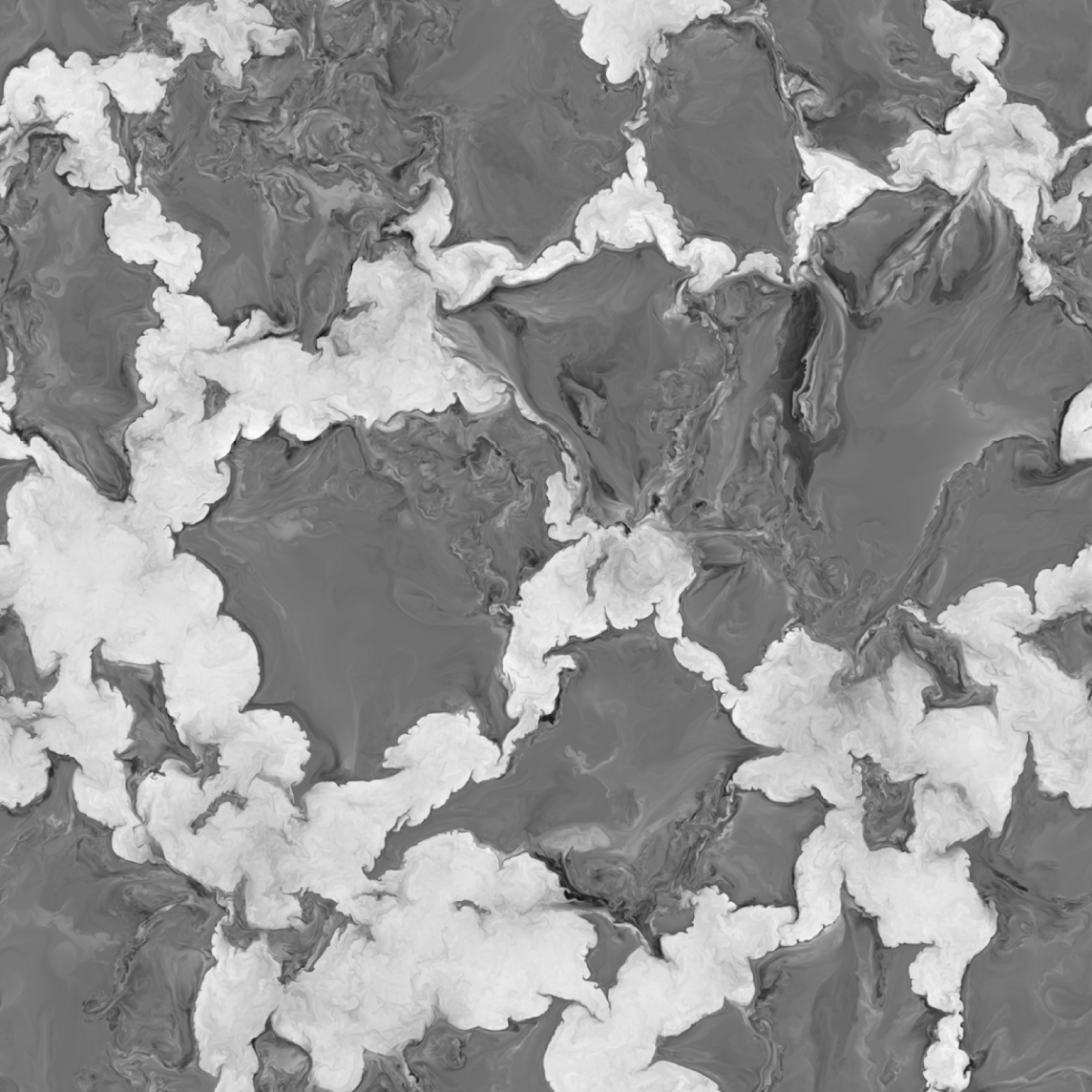
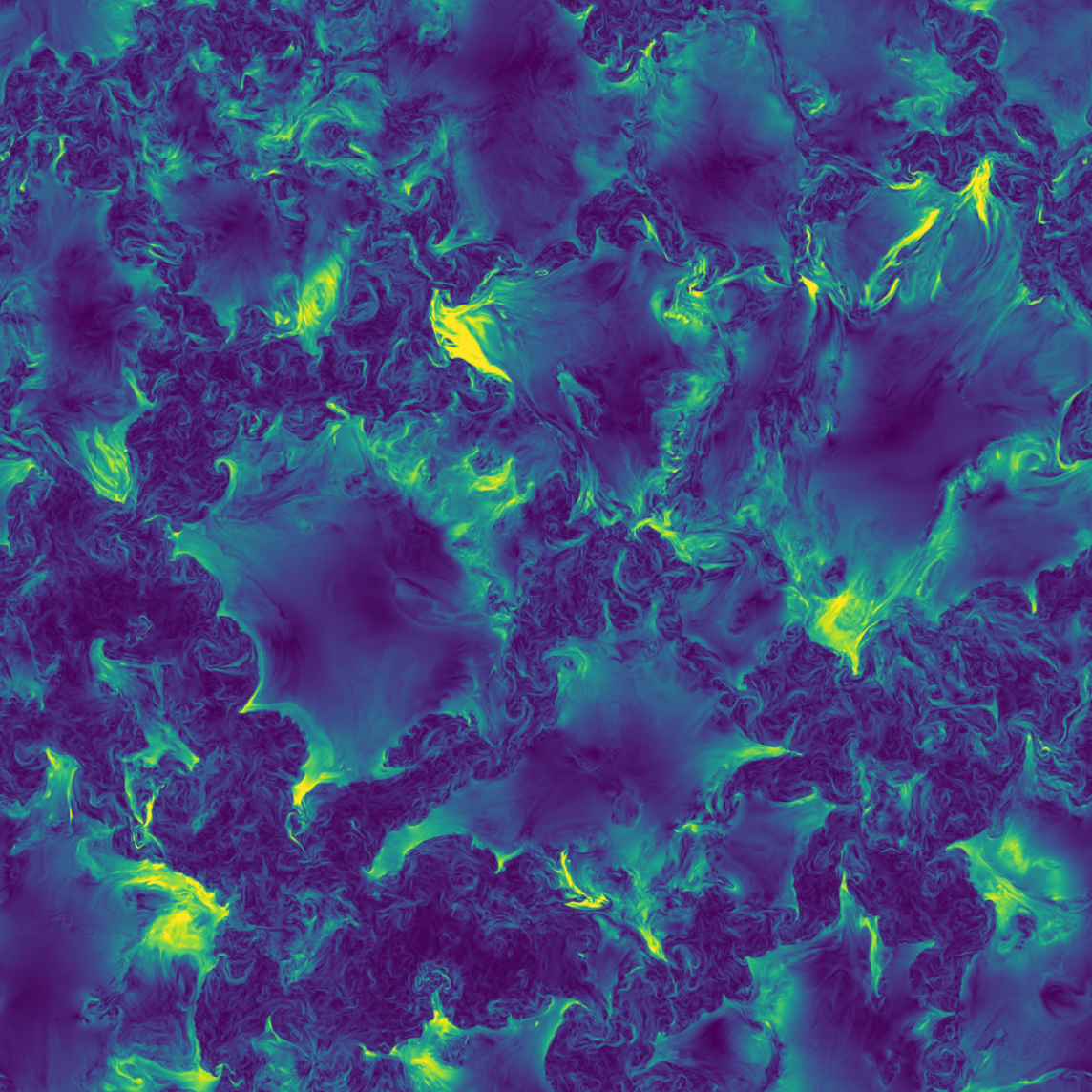
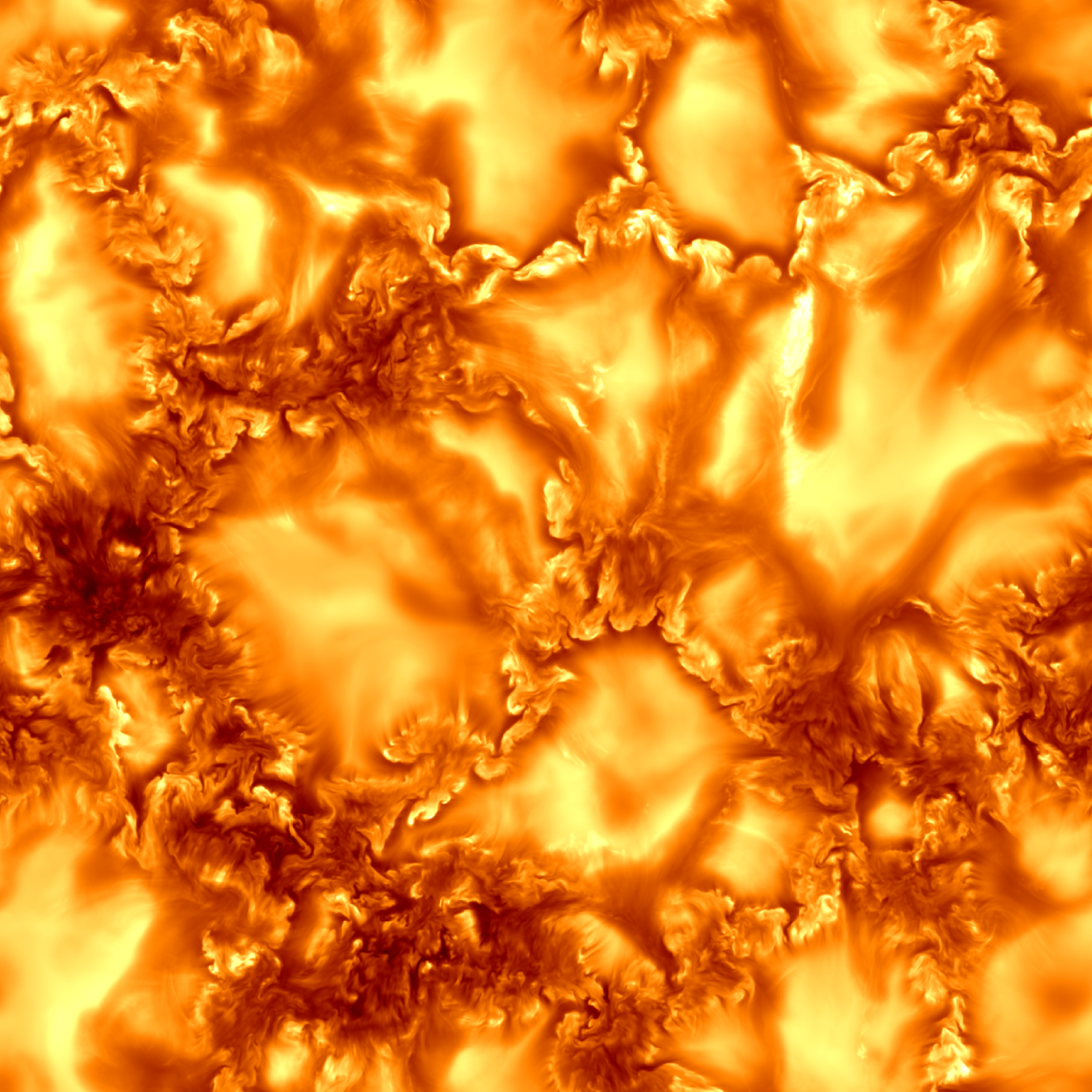
- Figure 1c from the paper[1] looked like it would make a great desktop background, but the resolution on the web is mediocre and there is this dashed rectangle to indicate the extent of the d-f subimages. In the PDF, the rectangle is drawn on top as a separate object so you can easily extract the underlying object!
Here are the figure 1 a-c images, lossless as they are in the PDF, having cropped a few transparent pixels for each one: https://lucgommans.nl/tmp/doi_10.1038_s41586-026-10871-3_fig... https://lucgommans.nl/tmp/doi_10.1038_s41586-026-10871-3_fig... https://lucgommans.nl/tmp/doi_10.1038_s41586-026-10871-3_fig...
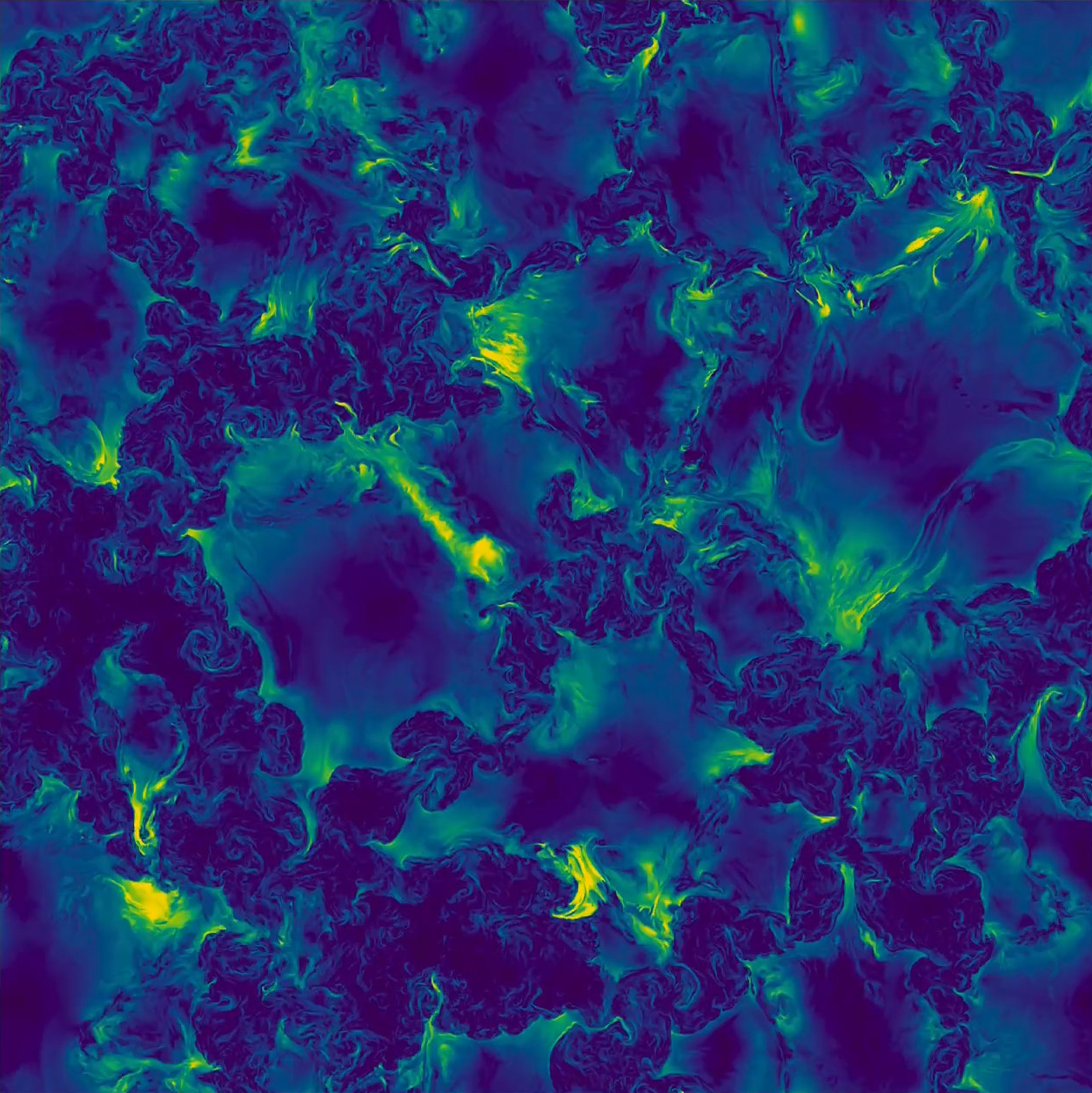
edit: supplementary video 2 has a panel similar to figure 1b in 10% higher resolution, screenshot: https://lucgommans.nl/tmp/doi_10.1038_s41586-026-10871-3_sup...
- In the abstract, they're stating that the magnetic field of the sun is what's causing the surface to look as if it's wind-swept -- is that right? Am I reading that correctly? So the extensive shifting of the magnetic field is causing the visual distortion?
- astrophysics is really making some remarkable leaps this decade
("Max Planck Institute for Solar System Research" sounds so wonderfully Star Trek doesn't it)
- > astrophysics is really making some remarkable leaps this decade
— Eudoxus of Cnidus, 4th century BC
- heh, well, 275 years ago Benjamin Franklin was messing around with something he didn't truly understand but named a "battery"
and three centuries later we are launching and parking multiple spacecraft with super-telescopes in L2